Guidance On Beneficial Ownership Transparency legal Arrangements
CLICK THE LINK BELOW TO DOWNLOAD

CLICK THE LINK BELOW TO DOWNLOAD
CLICK THE LINK BELOW TO DOWNLOAD

Fig.1
Just a few days before the world paid tribute to the resilience, industry and resourcefulness of women, members of a non-state armed group (NSAG) allegedly abducted an unverified number of women, girls and boys – IDPs from the ISS, Zulum, Kaigama, and Arabic IDP camps who were out in the bush in search of firewood. Some days later – March 7 to be precise 7th of March, 2024, bandits attacked the Kuriga community in Chikun Local Government Area of Kaduna State and kidnapped about 286 students including some teachers at the LEA Primary School Kuriga. The bandits are reportedly demanding one billion naira as ransom for the victims.
An unhealthy Spike
From 2011 to 2023, Nigeria experienced a dramatic increase in kidnapping incidents, with various reports and databases documenting the alarming trend. The Nigeria Security Tracker (NST) recorded about 19,800 incidents of kidnapping across the country within the past decade . While The Global Terrorism Database (GTD) identified Nigeria as the country with the highest number of reported kidnappings globally in 2019, underscoring the severity of the situation. Topping the list of most kidnapped persons are women, children, and internally displaced persons (IDPs), who are particularly vulnerable to kidnapping due to their perceived lack of protection and resources. Women and children, often targeted for ransom, sexual exploitation, forced marriage, and recruitment into armed groups, while IDPs face additional challenges stemming from their displacement and precarious living conditions.
Children, in particular girls, have been subjected to mass abductions from schools, such as the infamous incidents in Chibok and Dapchi, the recent kidnapping of over 280 school children in Kuriga town in Kaduna State and another 15 children in Gidan Bakuso in Sokoto State all between the ages of eight and fourteen. While some of the abducted children from the Chibok and Dapchi incidences of 2014 have been rescued or released, many including the recent victims of Kuriga and Gidan Bakuso remain missing, enduring unimaginable suffering at the hands of their captors while the search for them by the Nigerian government continues. Women are abducted for ransom or as part of broader criminal activities, including human trafficking, baby making machines and forced labour. The psychological and emotional toll on survivors of kidnapping, especially women and children, is profound and long-lasting, with many struggling to reintegrate into society even after their release.
Internally Displaced Persons
Targeting IDPs for kidnap and violations adds an ironic twist to official assurances on the security situation in Nigeria and the state of government’s preparedness to tackle kidnapping for ransom. Displaced by insurgency, tribal and inter-tribal conflicts, violence, and natural disasters, IDPs make up the most vulnerable populations in Nigeria.
The recent abductions of women and girls in three IDP camps in Borno State Nigeria highlights the vulnerability and lack of protection faced by these vulnerable groups, shedding light on the dire situation internally displaced persons, most especially women and children in Northern Nigeria are subjected to and the critical need to address their rights.
It is worth noting that these abductions not only underscores the vulnerability of internally displaced women to various forms of violence, including sexual assault, death, abduction and exploitation but also undermines the efforts of government and human rights organizations in securing the rights of internally displaced women and children.
Secondly, the incident exposes the failure of authorities to adequately protect and support internally displaced populations, particularly women and girls. Despite numerous reports of insecurity and threats within IDP camps, there appears to be a lack of effective measures to prevent such abductions and to ensure the safety of residents.
While the issue regarding the abductions of women from IDP camps remain a security concern, it is further intriguing to note that some of these women have been reported to have willingly returned to the bushes rather than remain at the camps. According to Governor Babagana Zulum of Borno State in a Statement on the 8th of March 2024, over 500 women living in IDP camps had demonstrated their interest in leaving the camp. Were these latest victims really in search of firewood or wandering away from abandonment?
Relevant Laws and Frameworks on The Rights of Internally Displaced Persons
In Nigeria, the rights of internally displaced persons (IDPs), especially women and children, are protected by various international and domestic laws, as well as policies and guidelines established by the government. Below are some of the key legal instruments and frameworks relevant to the rights of IDPs in Nigeria:
Nigerian Constitution: The Constitution of the Federal Republic of Nigeria 1999 (as amended) under Chapter IV guarantees the fundamental rights of all citizens, including IDPs. These rights include the right to life (Section 33) , dignity of the human person (Section 34), and freedom from discrimination (Section 42), among others.
Guiding Principles on Internal Displacement: Nigeria, as a member of the United Nations, is bound by the Guiding Principles on Internal Displacement, which provides a comprehensive framework for the protection and assistance of IDPs. These principles emphasizes on the rights of IDPs to protection, non-discrimination, access to humanitarian assistance, and durable solutions to displacement.
National Policy on Internally Displaced Persons: In 2012, Nigeria adopted the National Policy on Internally Displaced Persons to provide a framework for addressing the needs and rights of IDPs. The policy emphasizes on the protection of vulnerable groups, including women and children, and outlines measures for their assistance and support.
Humanitarian Assistance Framework: Nigeria has established a framework for coordinating humanitarian assistance to IDPs, which includes guidelines for the protection of vulnerable groups, such as women and children. This framework outlines the roles and responsibilities of government agencies, humanitarian organizations, and other stakeholders in providing assistance and support to IDPs.
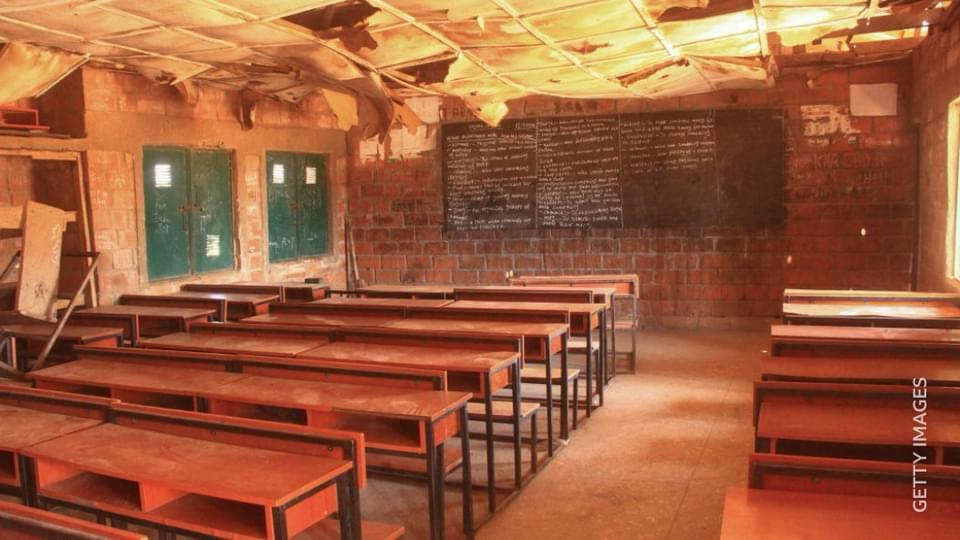
Fig.2
Rights of Internally Displaced Persons
Regardless of how wide the legislation and laws for the protection of the rights of Internally Displaced persons are, there are certain fundamental rights which encompasses a broad spectrum of rights, these are;
Recommendation and Conclusion
In light of these issues, it is imperative for the Nigerian government, as well as international organizations and civil society groups, to take immediate action to protect the rights of internally displaced women and children in Northern Nigeria, through the implementing of adequate security measures within IDP camps, providing psychosocial support and assistance to survivors of violence, and addressing the root causes of displacement and conflict in the region.
We also need to revamp the security approach to take account of convergence between criminals and the present day terror gangs. The financing of terror groups or Non state armed groups or bandits through direct or laundered proceeds of such crimes like kidnapping, trafficking, cattle rustling drugs and counterfeiting signifies the need for enforcement and security agencies to adopt integrated or collaborative investigation instead of working in silos and in segmented patchworks.
Finally, efforts should be made to empower internally displaced women by ensuring their meaningful participation in decision-making processes and by addressing the structural inequalities that contribute to their marginalization. This may involve providing access to education and vocational training, promoting economic opportunities, and challenging harmful gender norms and stereotypes within the camps.
NOTE: The section on legal Briefs is a forum for frank and open scholarly notes by research staff and guest contributors. Views expressed in these notes are personal to the authors and are not to be attributed to the Centre.
DO YOU WANT TO SHARE YOUR VIEWS ON OUR BLOG?
JURITRUST Centre for Socio Legal Research and Documentation invites submission of short articles from VOLUNTEER CONTRIBUTORS who are interested in sharing their perspectives on salient issues in the administration and development of the Nigerian Criminal Justice System, comparative systems and related issues. CLICK HERE find out how to send us your articles. Thank you

Organized crime and change in unlawful markets, which include drug trafficking and the smuggling of migrants, generate billions of greenbacks in illicit flows each year. The proceeds of those crimes can be channeled abroad, laundered and reinvested in criminal markets.

By Collins .I. Georgewill Esq, with assistance of Lydia Abbey and Ifeanyi Ewuziem Esq
Introduction
On the 23rd of January 2019, former President of Nigeria, Muhammadu Buhari signed into law the Discrimination Against Persons with Disabilities (Prohibition) Act, 2018 (the Act) following nearly a decade of persistent advocacy by human rights activists and organisations. The Act provides for the full integration of persons with disabilities into society and establishes the National Commission for Persons with Disabilities. It also vests the Commission with the responsibilities for the education, health care, social, economic and civil rights of persons living with disabilities. On the strength of the foregoing, it is axiomatic that a new legal framework for human rights protection was birthed the day this legislation was enacted. Little wonder, it has been said that the rights of persons with disabilities are human rights.
Rights of Persons with Disabilities as Human Rights
Who is a person with disabilities?
For conceptual purposes, this question is necessary. The Act in section 57 provides that the phrase ‘person with disabilities’ means: (a) a person who has received a temporary or permanent Certificate of Disability to have a condition which is expected to continue permanently, or for a considerable length of time which can reasonably be expected to limit the person’s functional ability substantially, but not limited to seeing, hearing, thinking, ambulating, climbing, descending, lifting, grasping, rising, and includes any related function or any limitation due to weakness or significantly decreased endurance so that he cannot perform his everyday routine, living and working without significantly increased hardship and vulnerability to everyday obstacles and hazards; and (b) a person with long term physical, mental, intellectual or sensory impairment which in interaction with various barriers may hinder their full and effective participation in society on equal basis with others.
Now that the meaning of a person with disabilities has been put in context, the next operative question is whether the rights of these persons qualify as human rights? Much will depend on the meaning of human rights. The definition put forward by Professor Louis Henkin[1] is apposite to our purpose. The erudite professor defined human rights as those liberties, immunities and benefits which by accepted contemporary values, all human beings should be able to claim as of right of the society in which they live. Thus, if human rights are named because of their universal application to all and not just some; do the rights of persons with disabilities qualify as human rights?
This poser has a relatively long-standing existence as it caught the attention of social scientists and policymakers at the international scene during several high-level discussions culminating in the United Nations Convention on the Rights of Persons with Disabilities (UNCRPD).
Responding to propriety of classifying rights of persons with disabilities under the UNCRPD as human rights, Caroline Harnake and Sigrid Graumann opined that: human rights obviously also applies to people with disabilities. The justification of human rights is often based on human dignity…Yet the conclusion that human rights necessarily also apply to people with disabilities seems to question the necessity of a special human rights convention for disabled people. If everyone including disabled persons is protected by other human rights instruments, why then is the convention needed. The reason is that some humans seem to be insufficiently protected by the general human rights legislation. This holds not only for disabled people, but also for children or women. Therefore, they require tailoring of the general rights regime to their needs. Therefore, the rights of persons with disabilities are equally human rights. Just that, as Frederic Megret[2] observed, they are ‘specific to persons with disabilities, yet rooted in the universality of rights’. Under the Act, one core human right which was specially expounded to address the sensitive needs of persons with disabilities was freedom of movement.
Right to Freedom of Movement
Ordinarily, the human right to freedom of movement is available to all persons in Nigeria. Section 41 of the Constitution of the Federal Republic of Nigeria 1999 (as altered) [the Constitution) provides that “[e]very citizen of Nigeria is entitled to move freely throughout Nigeria and to reside in any part thereof, and no citizen of Nigeria shall be expelled from Nigeria.” Article 12 of the African Charter on Human and Peoples’ Rights 1981 similarly provides that “[e]very individual shall have the right to freedom of movement and residence within the borders of a State provided he abides by the law.”[3]
It cannot be seriously asserted that persons living with disabilities are excluded from the entitlement to move freely throughout Nigeria or anywhere in the world. But it cannot be denied that their special needs with respect to movement lacked the much needed visibility. Of what use or meaning is freedom of movement if, for example, a person who can only move with the aid of a wheelchair is unable to enter, exit or access places or facilities available to other humans by reason of the lack of attention or concern by government and society to his special needs?
Indeed, it has been rightly argued[4] that no one is really living with disabilities; but some persons are merely suffering from a disabled environment. Hence to give the required visibility to free movement of persons with disabilities, the following provisions were enacted:
Right to Access Public Buildings
Thus, the Act declares in section 3 that “[a] person with disability has the right to access the physical environment and buildings on an equal basis with others.” To this end, section 4 of the Act provides that a “public building” shall be constructed with the necessary accessibility aids such as lifts (where necessary), ramps and any other facility that shall make them accessible to and usable by persons with disabilities. ‘Public building’ is defined to mean ‘a building owned or used by government or government agency or a building available for the use of members of the public’
The, from its commencement date (23rd January 2019), within which all public buildings and structures, whether immovable, movable or automobile, which were inaccessible to persons with disabilities shall be modified to be accessible to and usable by persons with disabilities including those on wheelchairs. The implication of the foregoing is that, all buildings owned or used by government or government agencies or a building available for the use of members of the public should already be modified for access and use by persons with disabilities.
Right to Access Special Facilities
Section 5 of the Act provides that “[r]oad side-walks, pedestrian crossings and all other facilities as set out in the First Schedule made for public use shall be made accessible to and usable by persons with disabilities including those on wheelchairs and the visually impaired” The “other special facilities as set out in the First Schedule” include: handrails and grab bars, entrance doors, parking spaces and passenger loading zones, crutches and guide canes etc. No doubt, compliance with this provision would aid the movement of persons with special needs.
Right to Access Vehicles, Seaports, Railways and Airport Facilities
Section 10(1) of the Act provides that “[g]overnment transport services providers shall make provisions for lifts, ramps and other accessibility aids to enhance the accessibility of their vehicles, parks and bus stop to persons with disabilities including those on wheel chairs. Section 11(1) evidently imposes a similar obligation on private transport service providers. Section 11(5) provides that when a person with disability intends to board a vehicle, all other intending passengers shall wait for him to board before them.
By virtue of section 13(1) and (2), seaports facilities and vessels, railway stations, trains and facilities in the trains shall be made accessible to persons with disabilities. Section 14 similarly enacts that all airlines operating in Nigeria shall, inter alia, ensure the accessibility of their aircraft to persons with disabilities.
Right to Complain of Inaccessibility
In the event of the existence of a state of inaccessibility or barrier to access of a person with disability to an environment that he has a right or duty to access, section 8 of the Act provides that such person may, without prejudice to his right to seek redress in court, notify the relevant authority in charge of the environment of the existence of the state of inaccessibility and the relevant authority shall take immediate and necessary steps to remove the barrier and make the environment accessible to the person with disability. Furthermore, it is an offence for a relevant authority to ignore such a notification. If the defaulting authority is a corporate body, it shall be liable to pay N10,000 damages to the affected person for each day of default.
Conclusion
It is evident that the Act has expanded and expounded the right to freedom of movement as it applies to persons with disabilities. However, the preservation of these rights do not depend on mere written declarations. These rights can only be meaningful if the provisions of the Act are properly implemented. Therefore, this paper calls for a collaboration by civil society organisations to conduct an empirical survey across the country to precisely ascertain the extent of compliance with the Act. C.V. Georgewill Foundation is open for strategic partnerships and collaborations with other similar organisations in this regard.
About C.V. Georgewill Foundation
This is the humanitarian service arm/department of the Firm of C.V. Georgewill & Co established to promote the Founder’s Legacy of Virtue, Service and Goodwill in honour of his memory. It is currently a work in progress.
Collins I. Georgewill Esq.
He is a scholar of Human Rights and International Humanitarian Law presently pursuing his post graduate studies at the Rivers State University, Port Harcourt. He is Lead Partner of the Firm of C.V. Georgewill & Co and Head of C.V. Georgewill Foundation.
Lydia O. Abbey, Esq.
She is a scholar of Human Rights and International Humanitarian Law also pursuing her post graduate studies at the Rivers State University, Port Harcourt. She is an Associate with the Firm of C.V. Georgewill & Co and Member of C.V. Georgewill Foundation.
Ifeanyi Kevin Ewuziem, Esq
He is a graduate of Rivers State University, Port Harcourt, a prolific writer and legal researcher with a passion for global humanitarian service impact. He once served as the President of the Legal Aid Community Development Service in Bayelsa State. He is presently a member of the Legal Team of C.V. Georgewill & Co. where he heads the Legal Research Department and doubles as Programs Manager at C.V. Georgewill Foundation.
[1] L. Hankin, ‘Human Rights’ in R. Beenhardt (ed), (Encyclopedia of International Law, 1985) 268.
[2] F. Megret, ‘The Disabilities Convention: Human Rights of Persons with Disabilities or Disability Rights?’ Human Rights Quarterly (30) (2008) 515.
[3] See also African Charter on Human and Peoples’ Rights (Ratification and Enforcement) Act, 1983
[4] See C.Harnacke and S. Grauman, ‘Core Principles of the UN Convention on the Rights of Persons with Disabilities: An Overview’ in J.Anderson and J. Philips (eds) Disability and Universal Human Rights: Legal, Ethical and Conceptual Implication on the Rights of Persons with Disabilities (Netherlands Institute of Human Rights, 2012)
[1] L. Hankin, ‘Human Rights’ in R. Beenhardt (ed), (Encyclopedia of International Law, 1985) 268.
[1] F. Megret, ‘The Disabilities Convention: Human Rights of Persons with Disabilities or Disability Rights?’ Human Rights Quarterly (30) (2008) 515.
[1] See also African Charter on Human and Peoples’ Rights (Ratification and Enforcement) Act, 1983
[1] See C.Harnacke and S. Grauman, ‘Core Principles of the UN Convention on the Rights of Persons with Disabilities: An Overview’ in J.Anderson and J. Philips (eds) Disability and Universal Human Rights: Legal, Ethical and Conceptual Implication on the Rights of Persons with Disabilities (Netherlands Institute of Human Rights, 2012)
NOTE: The section on legal Briefs is a forum for frank and open scholarly notes by research staff and guest contributors. Views expressed in these notes are personal to the authors and are not to be attributed to the Centre.
DO YOU WANT TO SHARE YOUR VIEWS ON OUR BLOG?
JURITRUST Centre for Socio Legal Research and Documentation invites submission of short articles from VOLUNTEER CONTRIBUTORS who are interested in sharing their perspectives on salient issues in the administration and development of the Nigerian Criminal Justice System, comparative systems and related issues. CLICK HERE find out how to send us your articles. Thank you