by juritrustlaw | Sep 3, 2024 |

Through the generous support of the MacArthur Foundation, the Juritrust Centre participated in the 21st International Anti-Corruption Conference (IACC 2024) that took place in Vilnius, Lithuania between June 18 and 21, 2024. IACC 2024 was a landmark gathering with illuminating plenaries and cutting-edge workshop sessions on contemporary forms of corruption and strategies to confront them. It was an experience-sharing forum that provided guidance on alternative pathways to effective engagement with the nuances of corruption. The following are some of the significant takeaways of the Juritrust Centre from IACC 2024.
Corruption: a word that strikes fear, anger, and frustration. It’s a complex beast, more than just a series of isolated incidents. It is a driver, or at least a facilitator, of every major conflict in the past half-century.
It’s a sophisticated network, a system that benefits the few at the expense of the many. From petty bribes to grand-scale embezzlement, corruption fuels conflicts, undermines institutions, and erodes trust.
But why do people engage in corruption? It goes beyond greed. It’s about behaviour, shaped by national and organizational culture. Sometimes, corruption is even written into the rules.Bribery is a symptom of a deeper problem: low-quality service. When people feel they have no choice but to pay extra to get what they need, corruption thrives.
The myth that corruption is solely a problem of the global South is a dangerous oversimplification. Trans-border illicit financial flows are at an all-time high. The tools for illicit financial flows were created by the West, and the system that enables these flows is designed to favour secrecy over transparency.
Tax havens are the enablers of corruption, providing a safe haven for illicit funds. Despite the damage these haven cause, prosecution of those who use them is rare. Asset recovery has been minimal too. The big boss can go to jail, but he seldom goes to jail. Powerful individuals and corporations often escape punishment, while the victims of corruption bear the brunt of the consequences.
Corruption is a global problem that requires global solutions. By understanding the roots of corruption, by demanding transparency and accountability, and by supporting organizations fighting for a fairer world, we can break the cycle of corruption and build a better future for all.
Consequently, the following steps are recommended:
First, enacting laws which identify and protect whistleblowers. The three main goals of these laws are to: (a) encourage reporting of misconduct, (b) protect reporters, and (c) encourage investigation. In addition to whistleblowers, graft blockers and anti-corruption champions require protection.
Second, devising a strategic and holistic approach to fighting corruption. Fighting corruption should not be an end but a means or a goal towards an end – development. The fight against corruption should be tied to the realization of a full life. This strategy should be holistic by targeting prevention, criminalization and recovery of assets.
Third, everyone must acknowledge that we cannot prosecute our way out of corruption. The vigilante effect – policing each other – should become the new social pressure. This would translate to better outcomes in economic terms. Anti-corruption efforts that do not go to revolutionize the economic system are a waste of resources.
Olugbemi Jaiyebo Esq is the Publications Lead
Juritrust centre for Socio-Legal Research and Documentation
Watch the video on our You Tube channel – https://youtu.be/1XvnBVm7JT4?feature=shared
Follow the Lawnotes whatsapp channel too on: https://whatsapp.com/channel/0029Va5PM7PHwXbKoAUR8t1U
by juritrustlaw | Jul 15, 2024 |
Some terrorist groups commit a range of sexual and gender-based violence (SGBV) crimes, such as rape, sexual slavery, enforced marriages and human trafficking. For such groups SGBV crimes can serve as a tool to advance strategic objectives, as a tactic to instil fear among the civilian population, and as a method to support financing and recruitment. Not only has the Islamic State in Syria and the Levant (ISIL)/Da’esh committed such crimes on a large scale, the Taliban are also targeting and persecuting women and children and more recently, and there is credible information that al-Shabaab uses various forms of sexual violence as its modus operandi to subjugate the civilian population within its control. Since 2011, Boko Haram has continued to abduct women and girls in northern Nigeria, subjecting them to various forms of sexual violence, including rape, forced marriage and forced pregnancies. In March 2024, 50 women were kidnapped in Borno, a state in Nigeria where both Boko Haram and the Islamic State of West Africa Province (ISWAP) are active.
This analysis briefly examines the challenges of holding terrorists accountable for SGBV crimes and different pathways to accountability. It further explores Nigeria’s recent approach and discusses its implications for the broader effort to prosecute such offences when committed by terrorists.
The Challenges of Accountability
Impunity for SGBV crimes remains the norm, and accountability remains challenging for many reasons. First, many victims do not report crimes out of fear, shame or stigmatisation. Men and boys who are victims of SGBV crimes are even more underreported and overlooked because of taboos and notions of masculinity. Yezidi women and girls who have been enslaved and impregnated by ISIL/Da’esh members suffer stigmatisation and are still facing difficulties being accepted back into their local communities. Similarly, returning girls and young women who have been kidnapped by Boko Haram face stigma and resentment from their family and the local community. Second, legal obstacles, such as the notion of consent and the need for corroborating evidence in some jurisdictions, further make it difficult to hold perpetrators accountable for SGBV crimes. At a practical level, countries in conflict or emerging from a conflict lack proper medical facilities to document SGBV crimes, and their justice sectors may struggle to handle these cases effectively.
Pathways to Accountability
Accountability for SGBV committed by terrorists can be pursued in different ways, depending on the circumstances and legal framework available in a country. Many forms and acts of SGBV committed by terrorist groups can amount to war crimes, crimes against humanity, or genocide. Depending on the contextual elements of each core international crime, SGBV can be part of a widespread or systematic attack against a civilian population. It can be carried out within the context of armed conflict, or with the intent to destroy in whole or in part a national, ethnic, racial, or religious group.
Many forms of SGBV are explicitly criminalised in articles 6 and 7 of the Rome Statute of the International Criminal Court. Crimes such as murder, enforced disappearances or persecution can include SGBV crimes, or amount to torture or outrage upon personal dignity. However, the prosecution of terrorists for SGBV using the core international crimes framework is only available if a country has criminalised core international crimes in their domestic legislation. In fact, in several European countries, women who have travelled to Syria or Iraq to join a terrorist group have been prosecuted for SGBV crimes such as rape and (sexual) slavery as a crime against humanity, war crime, or genocide. Sweden and Germany have prosecuted several women for such crimes. Currently Belgium, Netherlands and France are investigating cases against female returnees that are allegedly involved in holding Yezidi women as slaves. A few observations can be drawn from this emerging practice in several European countries. To date, the majority of individuals prosecuted for SGBV crimes have been women, not men. The crimes that the women are convicted for are not always sexual and gender-based violence crimes; some have been convicted for slavery. The more accurate description is sexual or gender-based violence, or gender-based violence as an umbrella term that encompasses sexual, physical, or mental violence. This is also consistent with the recently implemented policy on gender-based crimes by the Office of the Prosecutor of the International Criminal Court. Finally, several women are being prosecuted for membership in a terrorist group, as well as for their involvement in aiding and abetting their husbands to commit SGBV crimes.
Another option to achieve accountability is to prosecute terrorists for sexual violence and other forms of gendered violence under domestic criminal laws. This could be relevant in countries which may not have criminalised core international crimes. However, the definitions under domestic law may be narrow and not capture the full extent of the crimes that have been committed. Furthermore, the evidentiary rules and procedures may require medical corroboration. Even where such evidentiary challenges can be overcome, focusing solely on SGBV crimes overlooks the circumstances in which SGBV is used to advance the group’s strategic objectives or spread fear among the population by terrorists or terrorist groups. In such a situation, the court could take into account the terrorist context in which the crimes were committed as an aggravating circumstance during sentencing.
When terrorists engage in trafficking, as credible evidence shows Boko Haram often does, or conduct SGBV crimes as a source of financing, such acts can fall under the International Convention against the Taking of Hostages (1979) and the International Convention for the Suppression of the Financing of Terrorism (1999). While countries may use their counter-terrorism laws to address SGBV offences like rape due to the bodily harm caused, most countries do not specifically classify rape and other forms of SGBV as terrorist acts in their legislation. Tunisia and Gambia are exceptions, explicitly criminalising rape as a terrorist offence.
Finally, UN Security Council Resolutions 2331 (2016) and 2388 (2017) already recognised the linkages between human trafficking, sexual violence in conflict, and terrorism. This also offers an opportunity to prosecute for human trafficking. State parties to the Palermo Protocol to the Convention on Transnational Organized Crime are under the obligation to criminalise human trafficking and seriously investigate trafficking. Sweden has prosecuted women for taking their children to the conflict zone as human trafficking and as an offence against liberty and peace, as well as for the war crime of enlisting child soldiers. Camilla O. was convicted of the former offence for taking her two underaged daughters to Syria and allowing one of them to marry an ISIL/Da’esh fighter, whereas Lina I. has been convicted for the war crime of enlisting a child soldier for taking her son to Syria where he died on the battlefield.
The Nigerian Experience
At the outset, it is important to note that Nigeria operates a federal system, and all terrorism-related offences fall within the jurisdiction of the Attorney General of the Federation through the office of the Director of Public Prosecution of the Federation. As investigators and prosecutors tackled the activities of Boko Haram and ISWAP, they initially focused on pursuing cases related to membership in terrorist groups, concealment of information, providing support, and similar offences under the Terrorism Prevention Act (TPA), which was amended most recently in 2022. Given the intricate dynamics of the ongoing conflict, these charges were easier to prosecute and did not necessitate additional strain on the already limited resources of investigators and prosecutors. More substantive and underlying crimes of rape, abduction of women and girls, forced marriage and other sexual violence committed in the context of terrorist activities were overlooked for a variety of reasons. First, there was a need for increased technical knowledge of the interplay between SGBV and terrorism and so these crimes were not immediately considered terrorism-related offences within the meaning of the TPA and its amendments. Second, sexual offences such as rape fall within the jurisdiction of Nigeria’s thirty-six federating states plus the Federal Capital Territory (FCT), Abuja. Each of these states, along with the Federal Capital Territory (FCT), possesses the authority to enact legislation concerning sexual offences. Consequently, any such offences occurring within the jurisdiction of a specific state can only be investigated and prosecuted by that federating state. As a result, federal prosecutors handling terrorism cases did not perceive they had the jurisdiction to prosecute the sexual offences perpetrated by Boko Haram and ISWAP members, even if they desired to do so.
This raises the question of why state prosecutors did not oversee these sexual offences. The reality is that the evidential threshold required to prove crimes related to sexual violence can be very high and, at times, deemed unreasonable. For example, until recently, in certain states’ penal codes, the prosecution had to establish penetration and often required corroboration to prove rape, making it a daunting task. Prosecutorial strategies heavily relying on victim or witness testimony proved unfeasible due to the absence of victims, many of whom were still located within Boko Haram and ISWAP enclaves. The convergence of these factors led to an impunity gap. From 2011 to 2017, federal prosecutors filing cases under the initial two terrorism legislations did not incorporate SGBV perpetrated by Boko Haram and ISWAP because they were not considered terrorism-related offences, while state prosecutors did not address sexual offences by these groups due to the insurmountable evidentiary challenges.
The Tide Turns
Between 2016 and 2018, with the support of international and local partners in capacity-building and technical assistance within the Nigerian justice system, accountability for SGBV crimes by Boko Haram and ISWAP gained greater attention. During the 2018 mass trials of Boko Haram suspects, an early opportunity emerged to prosecute other offences in addition to membership of a terrorist organisation. A defendant confessed to his participation in the 2014 abduction of the Chibok girls, resulting in a 65-year sentence. While this case focused on the abductions and did not address SGBV crimes connected to the abductions, it opened the door to exploring SGBV offences in future investigations. Consequently, by 2019, the prosecutors had charged another defendant in the case of Federal Republic of Nigeria v. Umar S. for SGBV crimes. In addition to charging him for membership of a terrorist organisation, the defendant was an accessory to the kidnapping of a Chibok girl who he forcibly married. This case is still pending at the Federal High Court in Abuja and is yet to be concluded.
In preparation for the 2023 trials of Boko Haram suspects, federal prosecutors uncovered evidence against a defendant, Suleiman G. (the indictment and judgment are on file with the authors). The evidence, which consisted of his confessional statement and witness statements, demonstrated that, during the terrorist group’s activities in the Lake Chad region, he forcefully married and impregnated two girls who had been abducted by the group. Bolstered by the earlier 2019 indictment of Umar Suleiman, the federal prosecutors amended the charges against Suleiman Garba Mohammed to include six counts of SGBV crimes committed against the two girls to address conduct which could be qualified as forced marriage, forced pregnancy, rape, and sexual slavery and noting them as acts of terrorism because of the context in which they occurred and the group’s objectives.
he charges in the case were drafted to highlight the coercive environment of Boko Haram’s enclave, the Sambisa forest, and the girls’ captivity. This approach aimed to invalidate any notion of consent, emphasising that the victims were held against their will. The charges regarding forced marriage and rape highlighted the fact that the defendant imposed conjugal associations and marital relationships with the girls, engaging in unlawful sexual intercourse with them. The case summary submitted into evidence also underscored that such acts of sexual violence were integral to Boko Haram’s operations as a terrorist group, classifying them as acts of terrorism under the TPA. Furthermore, despite not participating in the initial abduction, the defendant knew that the girls were kidnapped by members of his group. The defendant’s actions – taking the girls as “wives,” paying dowries, and engaging in sexual relations without consent – demonstrated a clear continuation of the girls’ captivity and exploitation. He was charged and convicted of being an accessory to kidnapping after the fact. By charging him with this specific crime, the prosecution acknowledged his active role in perpetuating the crimes and maintaining the oppressive environment fostered by Boko Haram.
The prosecutors’ innovative use of the TPA to address underlying SGBV crimes was essential because the Rome Statute has not been implemented and thus international crimes could not be charged in Nigeria. Additionally, jurisdictional constraints prevented the use of the penal code or other relevant domestic laws in the federal court. However, by charging these crimes under the TPA, this approach sends a powerful message about the gravity of SGBV within the context of terrorism. It emphasises that such acts are not merely isolated or opportunistic incidents but are deliberate strategies employed by groups like Boko Haram to further their ideological and operational goals. Boko Haram uses women and girls as sex slaves to procreate and for domestic servitude, reinforcing the group’s objectives and operational strategies, which has been highlighted in a recent CTED study as one of the dimensions of SGBV linked to terrorism. The charges thereby align with the broader objective of the TPA to combat terrorism in all its forms, recognising the linkages between SGBV and terrorism. In the absence of the ability to prosecute for international crimes, the prosecutors’ reliance on the TPA was a pragmatic and necessary decision. It allowed them to pursue justice within the existing legal framework, ensuring that the crimes did not go unpunished. This case could serve as a precedent for how justice sector actors can adapt to address complex crimes that overlap multiple legal frameworks, such as terrorism and international criminal law.
Victims’ Access to Justice and Participation
In many countries, the criminal justice process for addressing crimes by terrorist groups, including specialised counter-terrorism courts and tribunals, often excludes victim participation. Victim participation in such proceedings is important as it affirms their right to be acknowledged as victims of terrorism, offering them opportunities to request reparations and essential support services. In the case against Suleiman G., the evidence included testimonies from two of his victims against whom he committed acts of SGBV. However, they were not required to testify in court due to the defendant’s guilty plea. While their presence could have offered them a form of participation, logistical challenges, such as their distance from the trial venue, made their physical participation in court impractical. The prosecutors weighed the value of insisting on the victims’ presence, especially given that the necessary resources for trauma-informed court participation were not yet in place, and the defendant did not contest the charges. In light of the varied challenges and the limited value that their participation would have held for the victims in this case, the prosecutors’ decision aligned with one of the overarching principles of the Murad Code: “Add value or don’t do it.” This principle of adding value might lead to different decisions in other cases, where victim in-court testimony and participation could be crucial.
In any situation, it is essential to evaluate the modalities for victim participation with the goal of enabling participation in the process. This involves assessing the potential impact of their testimonies on the case outcome, ensuring that adequate resources and support systems are in place to protect and assist them, and implementing a trauma-informed approach to minimise re-traumatisation. Additionally, it is important to consider the availability of alternative means, such as video conferencing, to enable victim participation in circumstances where physical participation is not feasible.
Way Forward
There is no one-size-fits-all approach when it comes to prosecuting SGBV crimes committed in the context of terrorism. SGBV crimes can be prosecuted by availing different legal frameworks and sometimes in different jurisdictions, but also by applying different modes of liability. The choice depends on the specific context and available legal frameworks. In Nigeria, the first conviction of a member of Boko Haram for explicitly using the act of rape as a terrorist offence is promising. The Nigerian experience of using the TPA to prosecute crimes that are simultaneously atrocity crimes not only recognised the severity of the offences, but also highlighted the systematic and coercive environment in which they occurred. This approach ensured that justice was pursued despite the limitations posed by the absence of a law implementing the Rome Statute and jurisdictional constraints, setting a significant precedent for future prosecutions of similar crimes. The judge’s recognition of the linkage between SGBV and terrorism further bolstered the prosecution’s case. In particular, the judge noted that the defendant’s remorse could not negate the aggravating factors of the case, and the repercussions of his actions were far-reaching, impacting both the victims and the “fabric of our society.” The defendant was sentenced to 345 years in prison, with the terms for each count running concurrently. Notably, among all the terrorism-related offences the defendant was charged with and convicted of, the SGBV crimes each received a 40-year prison sentence, which is higher than the sentences for the other terrorism-related offences.
Yet there are lessons to be learned and this successful approach is not without limitations. The potential for uncooperative defendants in future cases necessitates the development of robust alternative evidence-gathering strategies that are not reliant on the testimony of defendants or on witnesses whose in-court testimony may be difficult to facilitate. Additionally, the challenges associated with evidence collection, particularly in conflict zones, demand continued focus on innovative solutions. Moving forward, two key areas require focused attention. First, strengthening investigative capabilities to effectively collect and analyse evidence of SGBV when committed by terrorists is paramount. And second, fostering a dedicated pool of legal expertise amongst prosecutors and judges equipped to handle these complex cases is crucial.
Publication was first published by The International Centre for Counter-Terrorism (ICCT)
Authors: Adejoké Babington-Ashaye, Tanya Mehra, Matthew Odu Una

by juritrustlaw | Apr 29, 2024 |
Introduction
Once considered a dead letter law largely due to its non-enforcement, Section 21 of the Central Bank of Nigeria Act (CBN Act) 2007, which criminalizes Naira abuse, has become in recent times quite popular. The resurgence of enforcement initiatives in respect of this might not be unconnected with the controversial Naira redesign policy implemented in the wake of the 2023 general elections. This policy resulted in the purported scarcity of the Naira (especially the 500 and 1000 Naira denominations).
However, in spite of the acute shortage of the Naira notes and to the bewilderment of many citizens, several influential and famous Nigerians made a public spectacle of spraying the redesigned Naira notes at social events and parties drawing strong public criticisms and condemnations. The re-awakened interest of government agencies charged with the responsibility of both enlightening the Nigerian public, and enforcing financial-based crimes can be traced to this period. In the space of a little over one year since the Naira redesign policy, Nigerians have witnessed the suspension of a traditional ruler over alleged abuse of the Naira notes[1] and the conviction of two famous Nigerians[2] under section 21 CBN Act.
Section 21 of the CBN Act
This Section is structured as five subsections. Subsection (1) prescribes that
“[a] person who tampers with a coin or note issued by the Bank is guilty of an offence and shall on conviction be liable to imprisonment for a term not less than six months or to a fine not less than N50,000 or to both such fine or imprisonment.”
[1] Editorial, ‘Ogun Monarch Suspended for Abusing the Naira Notes’ <https://www.google.com/amp/s/punchng.com/ogun-monarch-suspended-for-abusing-naira-notes/%3famp> accessed 12th April 2024.
[1] In February 2024 an actress Oluwadarasimi Omoseyin, was jailed six months for abuse of the Naira. However she was given an option of fine. See, Deborah Sanusi, Actress jailed six months for spraying, stepping on Naira notes The Punch of 1st February 2024 https://punchng.com/actress-omoseyin-bags-six-months-jail-for-stepping-on-naira-notes The conviction of Okuneye Idris Olanrewaju (AKA Bobrisky) is reported in the media. See eg The Guardian, Naira Abuse: Bobrisky sentenced to 6 months Imprisonment without Option of Fine at https://guardian.ng/news/naira-abuse-bobrisky-sentenced-to-six-months-imprisonment-without-option-of-fine/ accessed 22/4/24
Subsection 2 states that –
“a coin or note shall be deemed to have been tampered with if the coin or note has been impaired, diminished or lightened otherwise than by fair wear and tear or has been defaced by stumping, engraving, mutilating, piercing, stapling, writing, tearing, soiling, squeezing or any other form of deliberate and wilful abuse whether the coin or note has or has not been diminished or lightened.”
“For the avoidance of doubt, spraying of, dancing or matching (sic) on the Naira or any note issued by the Bank during social occasions or otherwise howsoever shall” according to subsection 3, “constitute an abuse and defacing of the Naira or such note and shall be punishable under Sub-section (1) of this section.” The penultimate subsection[3] provides that “[i]t shall also be an offence punishable under Sub-section (1) of this section for any person to hawk, sell or otherwise trade in the Naira notes, coins or any other note issued by the Bank”.
The final subsection[4] defines the words matching and spraying. The former includes “spreading, scattering or littering of any surface with Naira notes or coins and stepping thereon, regardless of the value, volume, occasion or intent”, while the latter includes “adorning, decorating or spraying anything or any person or any part of any person or the person of another with Naira notes or coins or sprinkling or sticking of the Naira notes or coins in a similar manner regardless of the amount, occasion or the intent.”
Recent Convictions Under Section 21 of the CBN Act
The two recent convictions for the abuse of the Naira involved a Nollywood actress, Oluwadarasimi Omoseyin, and a popular cross-dresser Bobrisky.
Oluwadarasimi Omoseyin’s Case
The case of the prosecution was partly: “[t]hat you, Oluwadarasimi Omoseyin, on the 28th day of January, 2023, at Monarch Event Centre, Lekki, Lagos, within the jurisdiction of this Honourable Court, whilst dancing during a social occasion tampered with the sum of N100,000.00 (One Hundred Thousand Naira) issued by the Central Bank of Nigeria by spraying same in the said occasion and you thereby committed an offence contrary to and punishable under Section 21(1) of the Central Bank Act, 2007.”
[1] Section 21(4) CBN Act 2007
[1] Section 21(5) CBN Act 2007
She initially pleaded ‘not guilty’ to the charges preferred against her and was subsequently granted bail. But at a resumed hearing, she changed the plea to ‘guilty’ and was convicted accordingly. Premium Times reports that:
The defence counsel, Afuye Adegbola, pleaded for leniency saying, “she’s a first-time offender; she is a mother of one; she is remorseful and pleads for mercy.” He further pleaded for a non-custodial sentence on behalf of the convict. Delivering judgement, Mr Aneke sentenced the defendant to six months’ imprisonment, with an option of N300,000 fine to be paid into the consolidated revenue account of the federation[5].
Okuneye Idris Olanrewaju (Bobrisky)
One of the charges brought against Olanrewaju include: “[t]hat you, Okuneye Idris Olanrewaju, on the 24th day of March, 2024, at Imax Circle Mall, Jakande, Lekki, within the jurisdiction of this Honourable Court whilst dancing during a social event tampered with the total sum of N400,000.00 (Four Hundred Thousand Naira) notes issued by the Central Bank of Nigeria by spraying same and you thereby committed an offence contrary to and punishable under section 21(1) of the Central Bank Act, 2007.”
Unlike Omoseyin, Olanrewaju pleaded guilty from the onset and in his allocutus, the informed the court that he was ignorant of the law and if released, he would use his social media platform with over 5 million followers to educate Nigerians on the law against Naira abuse.
He was however sentenced to six months imprisonment without an option of fine. Justice Abimbola Awogboro, while sentencing the convict, said the judgment would be a deterrent to others who are found abusing and mutilating the Naira[6].
General Comparison of Both Cases
| Area of Comparison |
Omoseyin’s Case |
Olanrewaju’s Case |
| Gender of convict |
Female |
Male |
| Plea entered upon arraignment |
Initially, ‘not guilty.’ Subsequently changed to ‘guilty.’ |
‘Guilty’. |
[1] Premium Times ‘Court Convicts Actress of Spraying, Stepping on Naira Notes at Wedding Party’ <https://www.premiumtimesng.com/news/top-news/664514-court-convicts-actress-of-spraying-stepping-on-naira-notes-at-wedding-party.html?tztc=1> accessed 12th April 2024.
[1] Editorial, ‘Court Sentences Bobrisky to Six Months in Prison’ <https://www.google.com/amp/s/punchng.com/breaking-court-sentences-bobrisky-to-six-months-in-prison/%3famp> accessed 12th April 2023.
| Sentence |
Six months imprisonment with an option of N300,000.00 fine |
Six months imprisonment without an option of fine |
| Name of Judge |
Chukwujekwu Aneke J. |
Abimbola Awogboro J. |
| Gender of Judge |
Male |
Female |
| Marital Status (and children) |
Married with a child |
Single and no child. |
| Year of Birth |
1995 |
1991 |
| Date of Conviction |
2nd February 2024 |
12th April 2024 |
Conclusion
There are opinions in certain circles that the punishment meted on Olanrewaju was quite harsh. But given the media coverage the Omoseyin case garnered, it would have been expected that all Nigerians, particularly social media influencers and personalities, turn a new leaf. Perhaps, the option of fine given by the judge in Omoseyin’s case created a soft-landing which did not deter future offenders. It should also be noted that the six months imprisonment is the minimum penalty permissible under the Act and therefore section 416(2)(d) of the ACJA which cautioned against the imposition of maximum punishment for a first offender was inapplicable to the case.
NOTE: The section on legal Briefs is a forum for frank and open scholarly notes by research staff and guest contributors. Views expressed in these notes are personal to the authors and are not to be attributed to the Centre.
DO YOU WANT TO SHARE YOUR VIEWS ON OUR BLOG?
JURITRUST Centre for Socio Legal Research and Documentation invites submission of short articles from VOLUNTEER CONTRIBUTORS who are interested in sharing their perspectives on salient issues in the administration and development of the Nigerian Criminal Justice System, comparative systems and related issues. CLICK HERE find out how to send us your articles. Thank you

by juritrustlaw | Apr 26, 2024 |
Invariably by the time the cases/appeal processes come to an end, Police officers and members of the public would have forgotten the incidents.
The point l want to make, my Lords, is that when Police officers are prosecuted or convicted for killing innocent members of the public, such incidents are not adequately publicised. I believe that this lack of knowledge of how the legal process works is responsible for the belief of some Police officers that they can get away with killing members of the public, since they don’t see the immediate consequences of their actions.
The erroneous belief of Police officers about their immunity from prosecution and the sense of impunity has once again been shattered by the High Court of Lagos State in Bolanle Raheem’s case. The point l want to make, my Lords, is that when Police officers are prosecuted or convicted for killing innocent members of the public, such incidents are not adequately publicised. I believe that this lack of knowledge of how the legal process works is responsible for the belief of some Police officers that they can get away with killing members of the public, since they don’t see the immediate consequences of their actions. All they see is that their colleagues involved in such incidents are given Orderly Room Trials, if they are junior officers, and are dismissed by the Police. They don’t know that the legal process of prosecution and appeals inexorably continues to the highest court, especially where the defendants had been charged and sentenced to death at the trial court.
Invariably by the time the cases/appeal processes come to an end, Police officers and members of the public would have forgotten the incidents. It’s only those who lost their loved ones who remember where they’ve kept track of the case. It is also important to make the point that it is not because of the public outcry over Bolanle Raheem’s case that ensured the prosecution of the Police officer, but that the law had always taken its course in most cases of such incidents. The following are a few decisions l can remember off the cuff in the last couple of years, where the Supreme Court had affirmed the conviction of Police officers who killed members of the public. There are many more of these decisions and many at different stages of trial and appeal. My point is that Policemen, at large, need to be enlightened about the consequences of their actions. Let us educate those within our sphere of influence. Hopefully, this will minimise similar incidents.
- In P.C Henry Ekum v. The State – Appeal No. SC.1103/2017, reported in (2022) LPELR-57683(SC), delivered on 13th May, 2022, the following happened: On 23 October, 2010, at Number 24 Ochedore Street, Four Corners, Ikom in Calabar, Cross River State, the appellant (a Police officer) murdered one Ebam Takim Obiba by shooting him on the head with an AK47 rifle. The appellant had held a certain woman hostage in a salon and after an altercation with his colleague on one side and the woman’s husband and the deceased on the other side, he started shooting randomly and killed the deceased. He was convicted of murder and sentenced to death by hanging. His death sentence was affirmed by the Supreme Court.
Onyebucho Onwunze v. The State – Appeal No. SC.215/2017, delivered on 2nd December, 2022. On 25th of March, 2007, in Ilupa Village at Godwin Ozuma’s compound, the appellant (a Police officer) took a combatant position on being commanded by his superior officer, and shot and killed one Anna Otari Ogbodo, an unarmed elderly woman. The court convicted the appellant of murder and sentenced him to death by hanging. The death sentence was affirmed by the Supreme Court.
- Matthew Egheghe v. The State – Appeal No. SC.304/2017- Reported in (2020) LPELR- 50552 (SC), delivered on 10th January, 2020, the following happened: On Sunday 16th October, 2011, along Sani Abacha Express Way, Yenagoa, one Emmanuel Victor was on his way from church when he encountered some Policemen. The appellant (a Police Officer) chased down the motorcycle wherein Victor was a passenger after having slapped him previously, pulled him down and shot him several times to death. The appellant was convicted of murder and sentenced to death by hanging. His death sentence was affirmed by the Supreme Court.
- Akinyede Olaiya v. The State – Appeal No. SC.562/2014 reported in 2017) LPELR-43714delivered on 8th December, 2017, the following happened: On 23rd March, 2011, at Ota Junction, Omuo Ekiti in Ekiti State, the appellant (a Police officer) fired two shots into the crowd without provocation or any real threat to his life or the lives of other policemen with him. The shots fired by the appellant killed one Kehinde Ayo Faluyi who was in that crowd. The appellant was convicted and sentenced to death. His death sentence was affirmed by the Supreme Court.
- P.C Adeusi Adesina v. The People of Lagos State – Appeal No. SC. 622/2014, Reported in (2019) LPELR – 46403 SC), delivered on 18th January, 2019, the following happened: On 27th November, 2008, the appellant, a Police constable, in Apogbon Blackspot, Lagos State, shot a lorry driver named Dauda Isiako Akao and killed him. He was convicted of manslaughter and sentenced to 14 years imprisonment. His sentence was affirmed by the Supreme Court.
- The State v. P.C. James Egigia (SC)(unreported) delivered on the 26th day of January, 2024. The respondent, who is a policeman, on or about the 16th day of February, 2006, at Ayama village in Auyo Local Government Area of Jigawa State, seriously beat and fractured the leg of the deceased, one Ismaila Dodo, while investigating a case. The injuries led to the death of the deceased. The trial court found the respondent guilty of the offence of committing serious assault under Section 224 and punishable under Section 225 of the Penal Code Law and sentenced him to five years imprisonment without the option of fine. The sentence was affirmed by the Supreme Court.
Helen Moronkeji Ogunwumiju is a justice of the Supreme Court of Nigeria.
This is the text of a paper shared with the National Association of Women Judges.
CREDIT. Premiumtimes
NOTE: The section on legal Briefs is a forum for frank and open scholarly notes by research staff and guest contributors. Views expressed in these notes are personal to the authors and are not to be attributed to the Centre.
DO YOU WANT TO SHARE YOUR VIEWS ON OUR BLOG?
JURITRUST Centre for Socio Legal Research and Documentation invites submission of short articles from VOLUNTEER CONTRIBUTORS who are interested in sharing their perspectives on salient issues in the administration and development of the Nigerian Criminal Justice System, comparative systems and related issues. CLICK HERE find out how to send us your articles. Thank you

by juritrustlaw | Apr 20, 2024 |
Not too long ago, seventeen senior advocates of Nigeria, SANs, of Kogi State extraction wrote and protested to NJC and the Hon Chief Judge of Kogi State about the appointments of additional judges for Kogi State.
The protest was based on the lopsided proposals to appoint some persons as additional judicial officers for the state and the lack of infrastructures to accommodate such appointments given the terrible unhygienic judicial environments that judges in the state are currently subjected to.
Given our vintage positions and the privilege we enjoyed under the law, we had thought that we would at least be heard by the relevant authorities and a reply done to our protest letter. Nothing of such was done.
We then thought and reasonably too that there were justifiable causes to complain, and in the process we decided to approach the court where we felt we can be given level playing ground of hearing that would be just and fair. Seven of us sued. I was among the seven eminent senior advocates of Nigeria that went to court.
That is the case of YUNUS USTAZ USMAN, SAN & 6 ORS vs NATIONAL JUDICIAL COUNCIL & 3 ORS suit No FHC/ ABJ/ CS/ 05/2024. It was filed on 8th of January 2024. On the 18th of April 2024, the Federal High Court sitting in Abuja delivered a judgment in that case in which that court found no merits in the case and dismissed it.
Before judgment, the court formulated two issues for determination.These are: Whether the court has jurisdiction to determine the suit filed by the plaintiffs and whether the plaintiffs are entitled to the reliefs sought. These said issues were resolved against the Plaintiffs in favour of the Defendants on the grounds of lack of locus standi.
It was the view of the court that as plaintiffs, we failed to demonstrate infringement of our rights by the Defendants, and the suit was dismissed on this ground. The court held further that the plaintiffs’ failure to establish interest rendered the suit academic.
The court then held that by the failure to establish locus standi, the plaintiffs were deemed to be busybodies, resulting in dismissal of the matter.
The court went further to hold that assuming we the Plaintiffs had Locus standi, our reliefs were dismissed on the grounds of failure to exhaust administrative remedies of doctrines of rightness and exhaustion. The Plaintiffs it held did not pursue administrative remedies, rendering the suit unripe for adjudication for what the court called failure to give NBA due notice.
The court further held that there were procedural omissions: The plaintiffs, according to court, neglected essential procedural steps outlined under the Constitution of the Federal Republic of Nigeria as amended. The court also held that by virtue of section 271 of the 1999 constitution of Federal Republic of Nigeria as amended, the first defendant has discretion in judges’ appointments. Consequently, the suit was dismissed accordingly for having no leg to stand.
The court also expunged the DVD video, and photos tendered through my humble self for having not been tendered by the maker and that it amounts to documentary hearsay, amongst other reasons. The dismissal of this case is as unfortunate and unfair as the fact that the court closed its eyes to obvious truth on the arid legal technicalities in sabotage of a just cause.
I have always wondered the sense of justice we see in our courts. Justice must be rooted in truth and not fantasy and arid legal technicalities that fail to see truth where truth is visible. The photos and videos I attached to my affidavit were downloaded from the Internet. There was a certificate of compliance. The court watched and viewed these videos and saw the horrible state of dilapidation of the courts in Kogi State. The court did not hide its lamentations on the state of the courts in Kogi State on the day it watched these videos in open court.
The way courts decide cases and have the mind to close eyes to obvious truth before them in abuse of the sacred duties bestowed on them by law makes me wonder why they do so. It appears the courts appear ready to do the bidding of the system and pandered to the dictate of unjust system to the prejudices of the progress of the judiciary and appointing process.
I have come to think that as a system, some of courts enjoyed the rotten processes in judicial appointments.
Anyone who labours to ensure that the right things are done are branded as busy bodies and persons with no interest in the matter. Nigeria is ours to make or destroy by the kind of justice system we operate.The kind of appointments we make to the bench have ripple and multiple effects on the justice we get and the morals we boosted.
When the system and power that be decided to recommend appointments to the bench based on persons who may be and who appear morally and intellectually inept and those who know somebody and connected to power that be and not based on moral uprightness and intellectually sound knowledge of the law, those who have reasons to approach the courts should not be turned away on arid legal technicalities of Locus Standi.
By this decision, the judiciary and those who are responsible for appointments have wittingly and / or unwittingly laid and solidified the foundation for destruction of the judiciary.
To describe seven eminent Senior Advocates of Nigeria who raised genuine and real concerns about the rotteness of the infrastructures of Kogi judiciary and the breaches of the Nigerian constitution in the processes for the proposed appointments of judicial officers in that state as busybodies is uncharitable and laughable to say the least. It is an abuse of judicial knowledge and language.
But let it be known that when slaves are comfortable in their slavery they see every effort at giving them freedom as obstacles. For me, posterity will decide tomorrow who has destroyed justice and the judiciary in Nigeria. No legal practitioner is a medlesome interloper in the affairs of justice and administration of justice, including appointments to the bench.
The bar fights for the welfare and interests of the legal profession and to hold any members of the noble profession as being a busybody in the affiairs of justice is to say the least sad and unfortunate generalization of the phrase busybody.
For me and the rest of us, we are not busybodies. We are reasonable legal practitioners with sincere concerns for the welfare and interests of judiciary and judicial officers, both serving, retiring, retired and those yet to be appointed. The suit we filed was in furtherance of our concerns for the good of the judiciary and our fidelity to the oaths we took both when we became lawyers and as senior Advocates of Nigeria.
We sworn to defend and uphold the constitution of the Federal Republic of Nigeria. To describe the suit filed by seven eminent silks in furtherance of the oaths we took as been suit filed by busybodies is not only sad, it is unfortunately uncomplimentary and uncharitable. It’s sad, to say the least. We leave the rest for posterity to judge. That is my stand on this matter and I wish the judiciary well in Nigeria.
NOTE: The section on legal Briefs is a forum for frank and open scholarly notes by research staff and guest contributors. Views expressed in these notes are personal to the authors and are not to be attributed to the Centre.
DO YOU WANT TO SHARE YOUR VIEWS ON OUR BLOG?
JURITRUST Centre for Socio Legal Research and Documentation invites submission of short articles from VOLUNTEER CONTRIBUTORS who are interested in sharing their perspectives on salient issues in the administration and development of the Nigerian Criminal Justice System, comparative systems and related issues. CLICK HERE find out how to send us your articles. Thank you
by juritrustlaw | Mar 23, 2024 |
Introduction
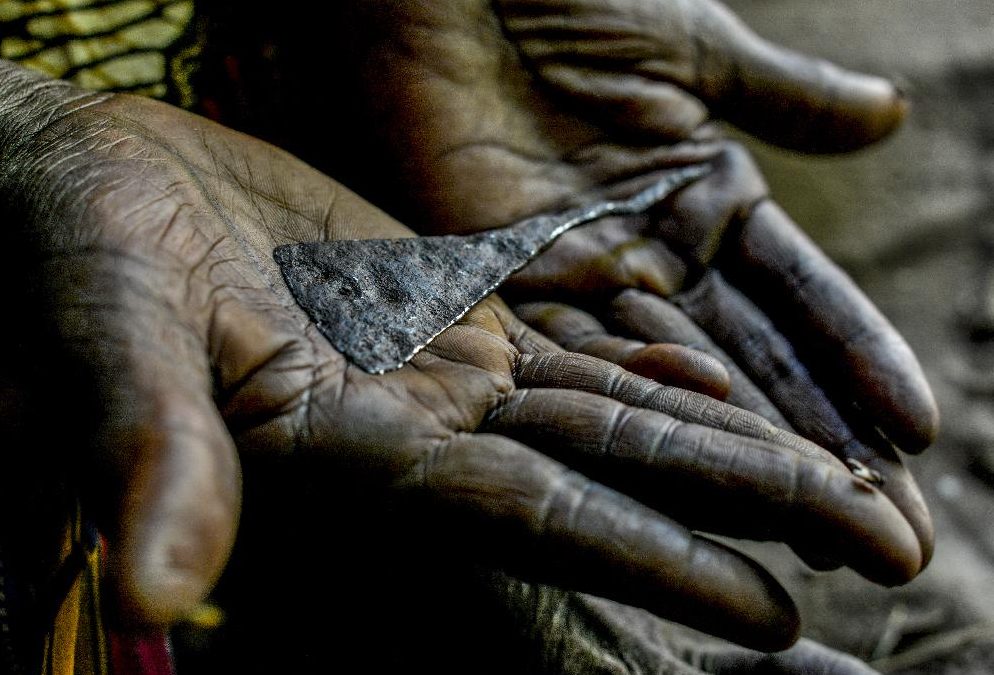
Female Genital Mutilation (FGM), also known as female circumcision or female genital cutting, refers to the partial or total removal of external female genitalia or other injury to the female genital organs for non-medical reasons. FGM is recognized internationally as a violation of the human rights of girls and women. It reflects deep-rooted gender inequality and constitutes an extreme form of discrimination against women. Despite efforts to eradicate the practice, FGM continues to be prevalent in Nigeria, affecting the fundamental human rights of women across the country.
The Practice of Female Genital Mutilation in Nigeria
Female Genital Mutilation is a deeply ingrained cultural practice in Nigeria, particularly among certain ethnic groups. According to the World Health Organization (WHO), Nigeria has one of the highest prevalence rates of FGM in the world, with an estimated 20 million Nigerian women and girls having undergone the procedure. The practice is often justified on cultural, religious, and social grounds, and is believed to control women’s sexuality, ensure their chastity, and prepare them for marriage.
Impact on Fundamental Human Rights of Women
The practice of female genital mutilation (FGM) has far-reaching implications for the fundamental human rights of women in Nigeria. Female genital mutilation violates the rights to health, security, physical integrity, and freedom from discrimination and violence of women and young girls. It can lead to a range of physical, psychological, and sexual complications, including severe pain, hemorrhage, infection, infertility, psychological trauma and in very extreme cases death. Furthermore, FGM perpetuates gender inequality and reinforces harmful gender stereotypes, depriving women of their autonomy and decision-making power over their own bodies.
Existing Legal Provisions
- 1999 Constitution of the Federal Republic of Nigeria
Section 34 (1)(a) of the Nigerian Constitution states that “Every individual is entitled to respect for the dignity of his person, and accordingly – (a) no person shall be subjected to torture or to inhuman or degrading treatment.”
The above provision of law although not explicitly referring to the act of Female Genital Mutilation, however covers every act that subjects a person to inhuman or other degrading treatment which gives a clear description of what a victim of FGM is put under while going through the crude procedure involved in FGM.
- Child Rights Act (CRA) 2003
Section 11(b) of this Act provides that “no child shall be subjected to any form of torture, inhuman or degrading treatment or punishment”
This Act, applicable only in 35 States of Nigeria including the FCT with the exclusion of Gombe State, prohibits degrading acts against children and provides for the protection of children’s rights. It imposes penalties on offenders and emphasizes the importance of education and awareness programs against actions that are detrimental to a child’s welfare. Notwithstanding the umbrella protection contained in the proviso above, the Act just like the 1999 CFRN did not expressly refer or mention Female genital mutilation (FGM) thereby limiting the prosecutorial power of the law in cases of FGM under this Act.
- Violence Against Persons (Prohibition) Act 2015
Section 6 (1), (2) , (3) and (4) of the Violence Against Persons (Prohibition) Act 2015 provides that;
- (1) The circumcision or genital mutilation of the girl child or woman is hereby prohibited.
(2) A person who performs female circumcision or genital mutilation or engages another to carry out such circumcision or mutilation commits an offence and is liable on conviction to a term of imprisonment not exceeding 4 years or to a fine not exceeding N200,000.00 or both.
(3) A person who attempts to commit the offence provided for in subsection (2) of this section commits an offence and is liable on conviction to a term of imprisonment not exceeding 2 years or to a fine not exceeding N100,000.00 or both.
(4) A person who incites, aids, abets, or counsels another person to commit the offence provided for in subsection (2) of this section commits an offence and is liable on conviction to a term of imprisonment not exceeding 2 years or to a fine not exceeding N100,000.00 or both.
The provision of this Act unlike other previously mentioned legislations directly criminalizes female genital mutilation and provides for punishment, including imprisonment and fines, for offenders. The National Agency for the Prohibition of Trafficking in Persons (NAPTIP) established for the implementation of the VAPPA, upgraded the Sexual and Gender Based Violence Unit to the Violence Against Persons Prohibitions Department to ensure the effective implementation of the Act.
Enforcement Challenges
Despite the existence of the above mentioned legislations, criminalizing the commission and enabling of female genital mutilation in Nigeria, the prosecution of these cases still faces significant challenges and limitations. One major challenge is the deep-seated cultural acceptance of FGM, which makes it difficult for survivors and witnesses to come forward and report cases. Additionally, limited awareness of the legal provisions and inadequate enforcement of the laws contribute to the under-reporting and impunity surrounding FGM cases. Furthermore, the lack of specialized training for law enforcement officials and judicial personnel hinders the effective investigation and prosecution of FGM cases.
Reform Measures
To combat the practice of FGM in Nigeria and protect the fundamental human rights of women, here are some reformative and legal recommendations:
- Implementation of Legislation Against FGM: there is need for proper Implementation of existing legislations that specifically criminalizes all forms of FGM in Nigeria.
- Legal Protection for Victims: there is need to strengthen and widen legal protections available for victims of FGM, including provisions for restraining orders and emergency shelters for those at risk of undergoing the procedure. Also, it is important to ensure that victims have access to legal aid and support services to seek justice and protection from further harm.
- Institutional Capacity Building: Government must build the capacity of law enforcement agencies, judiciary, and healthcare professionals to effectively respond to cases of FGM. Provide training on identifying, investigating, and prosecuting FGM cases, as well as sensitization on the rights of women and girls.
- Education and Awareness Programs: stakeholders including State actors should introduce and fund educational programs targeting communities where FGM is prevalent. These programs should focus on raising awareness about the harmful physical, psychological, and social consequences of FGM. They should also emphasize the importance of gender equality and human rights.
- Community Engagement and Empowerment: there is need for State and non-state actors to engage with community leaders, religious authorities, and traditional practitioners to gain their support in abandoning the horrific practice of FGM. While empowering local leaders to champion the cause and promote alternative rites of passage that respect cultural traditions without harming girls and women.
- Healthcare Support and Counselling Services: Government along with other state actors must ensure the provision of adequate access to healthcare services, including counselling and medical treatment, for survivors of FGM. Establish specialized clinics and support centres equipped to provide medical and psychological care to survivors. These services should be sensitive to cultural norms and provide support without stigmatizing survivors.
- Data Collection and Research: State and non-State actors involved in FGM campaigns must invest in comprehensive data collection and research to understand the prevalence and root causes of FGM in different regions of Nigeria. This information is essential for developing targeted interventions and evaluating the effectiveness of existing strategies.
- International Collaboration: all relevant agencies including government and non-governmental organizations must collaborate with international organizations, such as the United Nations and World Health Organization, to leverage resources and expertise in the fight against FGM. Participate in regional and global initiatives aimed at ending FGM and share best practices with other countries facing similar challenges.
CONCLUSION
While it seems that there are proper legislations put in place to prosecute cases of FGM in Nigeria, it still remains a wonder that there are no judicial precedents available to show that a competent court of law in Nigeria has tried a case of FGM. With this being the case, there is little or no doubt that perpetrators of these inhuman acts will continue unabated. There is therefore a need for the swift prosecution of FGM cases by Law enforcement agencies in other to serve as a deterrence to others against future commission. There is also, an urgent need for government both in the State and Federal level to set up supervisory committees, to ensure that proper implementation and revised standards are put in place to tackle the menace of FGM in the country. This will go to show that the country has moved past lip service in its war to end FGM.
NOTE: The section on legal Briefs is a forum for frank and open scholarly notes by research staff and guest contributors. Views expressed in these notes are personal to the authors and are not to be attributed to the Centre.
DO YOU WANT TO SHARE YOUR VIEWS ON OUR BLOG?
JURITRUST Centre for Socio Legal Research and Documentation invites submission of short articles from VOLUNTEER CONTRIBUTORS who are interested in sharing their perspectives on salient issues in the administration and development of the Nigerian Criminal Justice System, comparative systems and related issues. CLICK HERE find out how to send us your articles. Thank you